Appzlogic Logo
How Automation Testing with AI Helping In QA

How Automation Testing with AI Improves Speed, Accuracy & ROI in QA

Quality assurance (QA) needs to be done fast, smarter, and more cost-effective. Traditional manual testing methods fail to keep up with the speed of Agile and DevOps pipelines. AI-powered test automation is changing the game when it comes to software testing. It is genuinely transforming how testing gets done. By speeding up the process, cutting down on human errors, and expanding test coverage, AI is making testing smarter and more efficient and adopting this shift is not just a nice-to-have but important for every business that wants to stay ahead in the market.

The Rise of AI in Test Automation

As applications grow in complexity and data volumes surge, QA teams face mounting pressure to deliver flawless products faster. AI automation testing significantly speeds up the testing process by handling vast amounts of data and complex test environments with ease.AI brings faster and continuous testing, nearly total automation, and faster ROI. These benefits are propelling organizations to integrate AI-driven tools into their testing lifecycle to optimize performance and accelerate release cycles. According to Camunda By combining machine learning (ML), natural language processing (NLP), various algorithms and models, and other AI methods, you can enable systems to take on those traditional human tasks by guiding the individual doing the task or even automating the task altogether.

Why Traditional Testing Needs an Upgrade?

Traditional Testing Need Automation

Manual testing, while still relevant in exploratory scenarios, is time-consuming, error-prone, and difficult to scale. Automated testing brought some relief, but even that has limitations when scripts require constant maintenance or fail to keep up with evolving software.This is where AI steps in. AI-driven automation is transforming software testing by learning from past test executions, adapting to code changes, and automatically optimizing test cases.  

How AI Enhances Test Automation ?

Software Testing By Artificial Testing

Autonomous Testing Speeds Up the Testing Process and Improves Accuracy:

AI goes beyond just automating tasks, it learns and adapts over time as it follows the AI/ML. In autonomous testing, this means faster and more accurate results, as the system can make smart decisions about what to test, when to test, and how to do it. By analyzing test data and recognizing patterns, AI helps in automatically update and optimize test cases for better efficiency. Forrester found that companies that implemented AI-driven testing saw up to 50% faster time to market.

1. AI in Automation Testing is Faster at Identifying Errors and Root Causes

AI uses techniques like anomaly detection, pattern recognition, and predictive analytics to identify errors and their root causes faster than traditional methods. This capability helps teams address bugs earlier in the development cycle, reducing the cost and effort of late-stage defect resolution.

2. More Accurate and Comprehensive Testing Protocols

AI minimizes human errors and increases the consistency of test execution. With more accurate and comprehensive testing protocols, AI ensures higher-quality outputs. It measures user pattern, application logs, and previous defects to intelligently prioritize test cases. 

3. Key Benefits of AI-Powered Automation Testing

  • AI tools automatically detect changes in the codebase and select relevant test cases. This drastically reduces the time spent on regression testing and speeds up continuous integration and deployment (CI/CD) pipelines.
  • Investing in AI not only saves time but also reduces resource costs and increases test reliability. AI-powered test automation maximizes ROI by delivering faster releases with fewer bugs, ultimately leading to improved user satisfaction and customer retention.
  • By automating repetitive tasks and regression testing, test automation increases the efficiency of quality assurance teams. Testers can now focus on high-value activities like exploratory testing and UX evaluation.
  • AI tools can generate critical tests, prioritize them based on risk assessment, and create optimized test suites. This targeted approach ensures critical functionality is tested first, enhancing product quality while saving time.

Usages of AI Testing

Image-Based Testing: AI helps in image-based testing, recognizing UI elements visually. This is particularly useful for responsive designs or cross-browser compatibility testing, where layout issues may not be captured by traditional automated tests.

AI Spidering: AI spidering refers to automatically navigating through an application to discover pages, forms, and potential failure points. This helps uncover hidden bugs without manual intervention.

Monitoring API Testing: AI can monitor API behavior, identify anomalies, and predict failures even before they occur. This proactive approach ensures API reliability across environments and integrations.

Determining Whether to Run a Test Script: AI uses impact analysis to determine whether a test script is still relevant. This avoids running unnecessary tests and keeps your test suite lean and focused.

Expanding the Role of QA Testers

AI is not replacing testers, it empowers them. By taking over mundane, repetitive tasks, AI enables testers to become strategists and analysts. They can focus on user experience, security testing, and risk-based assessments. Testers duty is one of the important aspects of any software, and there is no room for errors in the testing, for example- small errors in ETL processes can lead to incorrect reports and flawed strategies. ETL testers ensure that data integrity is maintained by keeping it clean and consistent throughout the entire pipeline.

1. Enhancing the Quality of Test Cases

With AI, test cases can be dynamically updated based on changes in the code or usage patterns. This leads to enhanced test case quality and greater relevance to real-world user behavior. 

2. Improving Regression Testing

Regression testing is one of the most time-consuming activities in QA. AI makes it smarter by identifying which areas of the code are affected by changes and selectively running the relevant tests. This improves regression testing while reducing execution time.

Read about: ETL data validation practices for HBS

 Achieving Better ROI with AI Test Automation

We try to break down how the return on investment of AI testing is achieved:

  • Reduced manual effort leads to lower operational costs.
  • A faster test cycle enables quicker releases and faster time-to-market.
  • Intelligent test execution helps catch issues early, reducing defects after release. This leads to fewer customer complaints and lowers the cost of fixing bugs later.
  • Increased team productivity allows reallocation of resources to strategic initiatives.

 The Future of Software Testing is AI-Driven

With AI capabilities growing every day we can expect future automation tools to become even more intelligent and autonomous. They will integrate deeper into development workflows, work across platforms seamlessly, and require minimal human intervention. Businesses that embrace automated testing and adopt AI test automation will be better positioned to innovate, scale, and meet market demands.

Conclusion:

AI is revolutionizing software test automation by delivering unmatched speed. It enables QA teams to adopt a proactive quality engineering approach. With AI-driven automation, testing becomes significantly faster and more accurate, as intelligent algorithms can quickly identify errors and pinpoint their root causes. This not only accelerates the entire QA process but also reduces human error and oversight. AI-powered virtual assistants help individuals and businesses manage tasks efficiently. They significantly enhance efficiency by automating routine activities such as organizing schedules, handling emails, and processing requests.

At Appzlogic we provide Automation Testing with AI which provide software to work smoothly as we are the top Software Testing Company located in India, US and Canada.

Contact Us today for your business solutions.

Request a demo

Frequently Asked Questions

By automating tasks, learning from data, and adapting test cases quickly.

No, it supports testers by handling repetitive tasks so they can focus on strategy.

Faster releases, fewer bugs, lower costs, and better productivity.

It targets only the changed code areas, saving time and effort.

AI auto-navigates apps to detect hidden bugs and test coverage gaps.

Introduction of Blockchain and crypto currency

Comprehensive Guide to Blockchain and its Future Trends

Blockchain has revolutionized the world in recent years, affecting everything from finance to supply chain management. Originally it was developed as the underlying technology for cryptocurrencies like Bitcoin, Blockchain’s applications have now expanded far beyond digital currencies. As reported by Fortune Business Insights, the global blockchain technology market was valued at USD 17.57 billion in […]

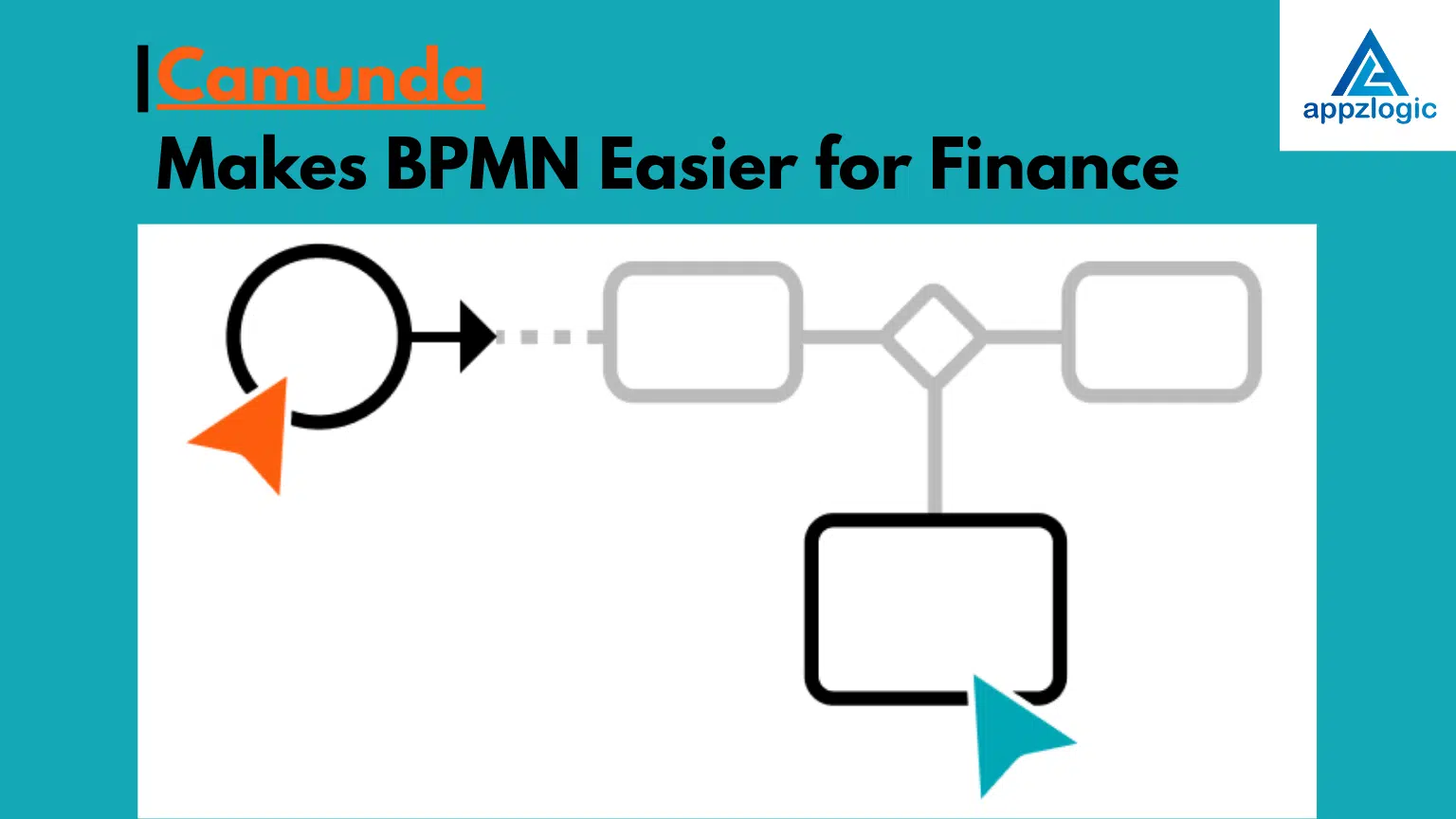
Finance processes involve numerous tasks, multiple approvals, and strict compliance requirements, making them inherently complex and time-consuming. Organizations need a way to ensure that workflows are consistent, efficient, and transparent across departments while reducing errors and delays. Camunda BPM offers a powerful solution by enabling businesses to design, automate, and manage workflows using BPMN business process model and notation. With Camunda, finance teams can visualize processes clearly, implement automated tasks, and integrate workflows seamlessly with existing systems, improving overall efficiency and accuracy. By providing a structured framework for managing transactions, compliance checks, customer interactions, and reporting, Camunda simplifies the execution of finance processes, ensuring operations remain reliable, accountable, and easy to monitor. What is Camunda BPM? Camunda BPM is an open-source BPM platform built to execute and automate workflows created with BPMN. It enables organizations to design processes clearly, automate repetitive tasks, and manage complex workflows efficiently. Unlike traditional systems, Camunda offers flexibility, allowing businesses to adapt processes as their needs evolve without being tied to proprietary solutions. The platform is especially valuable for financial institutions because it supports critical operations such as compliance workflows, transaction monitoring, customer support processes, and regulatory reporting. Its seamless integration with existing systems through the Camunda API ensures that workflows operate smoothly across different departments and applications. By using Camunda BPM, organizations gain better control, transparency, and efficiency in their business processes, while also reducing risks and ensuring consistent performance across all operations. What is a BPMN Diagram? A BPMN diagram is the visual output of business process modeling. It shows tasks, events, and BPMN gateways that represent decision points in a process. For finance processes, these diagrams can illustrate how a loan request moves from submission to approval or rejection. Using a BPM platform like Camunda, financial organizations can move from static diagrams to executable workflows that directly integrate with systems and applications. What is BPMN in Business Analysis? Business analysts use BPMN because it provides a shared language for finance teams and IT departments, reducing miscommunication and ensuring everyone understands the same workflow. BPMN diagrams visually represent processes in a structured way, showing tasks, events, and decision points clearly. This makes it easier to identify inefficiencies, enforce compliance requirements, and uncover opportunities for automation using BPM automation tools. Beyond mapping processes, BPMN helps finance teams document workflows for audits, training, and continuous improvement. Analysts can track how tasks are performed, highlight repetitive steps that could be automated, and ensure that critical controls are in place. By using BPMN, organizations can align operational execution with strategic goals, monitor performance, and quickly adapt workflows as regulations or business priorities change. This approach supports transparency, accountability, and efficiency across all finance processes, helping teams deliver consistent results. Camunda Modeler The Camunda Modeler is a desktop application that allows users to design workflows using BPMN 2.0. When finance teams ask how to use Camunda Modeler, the answer is simple: it offers a drag-and-drop interface where you can design processes with tasks, events, and gateways.For instance, a financial compliance officer can use Camunda Modeler to build a process diagram for anti-money laundering checks. Once designed, the workflow can be deployed into the Camunda BPM engine, ensuring the process runs automatically. BPM Automation Tools in Finance Financial services require reliable BPM automation tools to handle high volumes of repetitive tasks. Camunda’s workflow automation ensures processes like payment reconciliation or fraud detection run consistently and accurately. Unlike traditional tools, Camunda does not act as a black box. Teams can monitor workflows in real time, adjust business rules, and continuously improve their models. This transparency is especially valuable in regulated industries where auditability is crucial. Camunda Workflow for Finance The Camunda workflow engine is the heart of execution. Once a business process model is created in the Modeler, the workflow engine ensures tasks are executed in order, data is routed correctly, and escalations happen on time. Camunda workflow is widely applied in loan application approvals, fraud detection checks, regulatory compliance reporting, and customer onboarding verification. With BPMN gateways, workflows can branch into different paths based on conditions, such as risk level or credit score. Camunda API for Integration One of the most powerful aspects of Camunda is its API design, which ensures that organizations can seamlessly connect their workflows with existing systems and applications. The Camunda API makes it possible for financial institutions to bring together multiple platforms, ranging from customer management systems and payment gateways to compliance and reporting solutions, into a single, unified process. This level of connectivity ensures that data moves smoothly across different departments, reducing silos and enhancing collaboration. We also use the Camunda API to help financial organizations to build integrated environments where workflows are not limited to a single tool but interact effortlessly with core banking platforms, regulatory systems, and enterprise applications. This approach provides finance teams with greater flexibility, visibility, and control, ensuring that their operations remain accurate. Business Process Modeling and Compliance Financial institutions operate under strict regulations, and ensuring compliance is a critical part of every workflow. Through business process modeling, organizations can embed compliance checks directly into their processes, making them an integral part of day-to-day operations rather than separate tasks. Using BPMN 2.0, rules and regulations are represented clearly and become part of the executable workflow, which ensures that every step follows established guidelines. This approach not only helps teams maintain accuracy and consistency but also provides transparency, making it easier to track processes and demonstrate compliance during audits. By integrating compliance into the workflow itself, financial organizations reduce the risk of errors or oversights, improve accountability, and create a system where regulatory requirements are consistently met across all operations. Camunda Enterprise Pricing When organizations consider adopting Camunda at an enterprise level, understanding Camunda enterprise pricing becomes important. While the open-source version provides robust workflow automation, the enterprise edition adds advanced capabilities such as dedicated support, enhanced monitoring tools, and greater scalability for large-scale operations. For financial institutions with high transaction volumes, complex compliance requirements, and critical regulatory obligations, the enterprise edition ensures that workflows remain reliable, secure, and efficient. By choosing enterprise features, organizations can manage processes confidently and maintain stability across all finance operations. Advantages of Camunda BPM Platform in Finance The BPM platform provided by Camunda offers multiple advantages for finance. Using business process model and notation, workflows become standardized across teams, ensuring clarity and consistency. The platform also provides transparency because workflows can be monitored in real time. Its flexibility is a major benefit as well, since through the Camunda API it integrates smoothly with core banking and compliance systems. Efficiency is improved as automated workflows reduce manual errors and delays, and scalability ensures that Camunda can serve both small financial teams and global banking organizations. How Finance Teams Use Camunda? Finance teams apply Camunda in multiple ways. Transaction approvals are automated with BPMN gateways, customer onboarding processes are enhanced through automated KYC checks, and compliance monitoring is handled by rule-based workflows.By combining business process modeling with automation, Camunda helps finance teams reduce costs while improving customer experiences. Conclusion Camunda BPM offers financial institutions a practical and efficient way to manage complex workflows, enforce compliance, and automate critical tasks. By using BPMN 2.0, organizations can clearly visualize processes, integrate systems through the Camunda API, and ensure that operations run smoothly and reliably. With tools like Camunda Modeler and BPM automation tools, finance teams gain transparency, control, and the ability to continuously improve workflows. At Appzlogic, we support organizations in including these capabilities and helping teams to implement Camunda effectively and ensuring that finance processes are not only automated but also aligned with operational and compliance requirements.

How Does Camunda Make BPMN Easier for Finance Processes?

Finance processes involve numerous tasks, multiple approvals, and strict compliance requirements, making them inherently complex and time-consuming. Organizations need a way to ensure that workflows are consistent, efficient, and transparent across departments while reducing errors and delays. Camunda BPM offers a powerful solution by enabling businesses to design, automate, and manage workflows using BPMN business […]

AI-Driven Phishing: One of the Top Identity Threats for 2026

Introduction   As cyber threats escalate rapidly, AI-driven phishing attacks are rapidly becoming one of the most immediate and significant identity threats in 2026. Unlike older phishing emails, which were often easy to spot, these new AI-powered scams now use advanced technologies to create highly personalized, automated attacks that can bypass even the most sophisticated security systems. Understanding how […]